

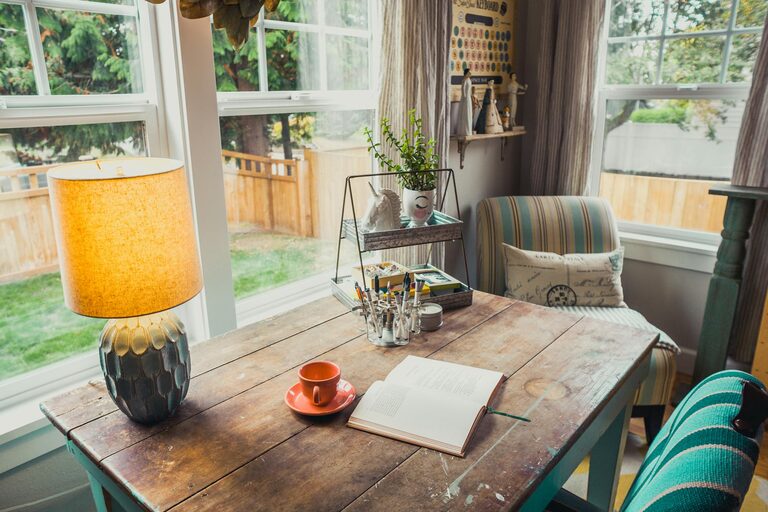
Creating a cozy and inviting home workspace is essential for anyone who spends a significant amount of time working from home. A well-designed workspace can improve focus, reduce stress, and make your workday more enjoyable. Whether you have a dedicated room or a small corner, there are many ways to transform your space into a comfortable and inspiring environment. Here are some useful tips to get started.
Choose the Right Location
Selecting the best spot for your workspace is the first step toward comfort and productivity.
– Natural Light: Position your desk near a window if possible. Natural light not only boosts mood but also reduces eye strain.
– Quiet Area: Find a quiet corner away from household noise or distractions to help maintain focus.
– Space Considerations: Ensure there’s enough room for your desk, chair, and necessary equipment, with space to move comfortably.
Invest in Ergonomic Furniture
Comfort is key when setting up a home office. Ergonomic furniture supports good posture and helps prevent discomfort.
– Ergonomic Chair: Choose a chair with adjustable height, lumbar support, and comfortable padding.
– Desk Height: Your desk should be at a height where your elbows rest at about 90 degrees when typing.
– Footrest: If needed, add a footrest to help maintain proper leg positioning.
Personalize Your Space
Adding personal touches can make your workspace feel welcoming and motivating.
– Color Scheme: Use calming colors such as soft blues or greens, or energizing colors like yellows depending on the vibe you want.
– Art and Decor: Hang artwork, inspirational quotes, or photos that make you happy and inspired.
– Plants: Incorporate a few indoor plants to add life and freshness to your workspace. They can also improve air quality.
Organize and Declutter
A neat and tidy workspace reduces distractions and makes it easier to find what you need.
– Storage Solutions: Use shelves, drawers, and organizers to keep supplies in order.
– Cable Management: Use clips or cable sleeves to keep wires neat and prevent tangling.
– Daily Declutter: Spend a few minutes at the end of each day to tidy your desk and prepare for the next.
Optimize Lighting
Proper lighting is essential to reduce eye strain and create a comfortable workspace.
– Task Lighting: Use an adjustable desk lamp to focus light where you need it most, especially for reading or detail work.
– Avoid Glare: Position your monitor to minimize glare from windows or overhead lights.
– Ambient Lighting: Combine task lighting with softer ambient lighting to create a warm atmosphere.
Incorporate Comfort Elements
Adding comfort items can make your workspace a true haven for long hours of work.
– Textiles: A soft area rug, cozy throw blanket, or seat cushion can add warmth and softness.
– Temperature Control: Have a fan, heater, or window that opens to adjust room temperature easily.
– Break Corner: If space allows, create a small area with a comfy chair or bean bag for relaxation or brainstorming breaks.
Create a Routine-Friendly Environment
Your workspace should support your daily routine and motivate you to stay on track.
– Calendar and Planner: Keep a visible calendar or planner to organize tasks and deadlines.
– Inspiring Background: If you participate in video calls, consider the background’s appearance for a professional yet cozy look.
– Keep Essentials Handy: Place frequently used items within easy reach to minimize interruptions.
Maintain Good Air Quality
Fresh air and good ventilation are critical for a healthy workspace.
– Open Windows: Regularly open a window to let fresh air circulate.
– Air Purifiers: Consider using an air purifier to reduce dust and allergens if needed.
– Plants: As mentioned earlier, certain plants can help purify the air naturally.
Tech Setup and Cable Management
Technology is central to most home workspaces, so keeping it well-organized is important.
– Stable Internet: Ensure your workspace has a strong internet connection.
– Monitor Height: Position monitors at eye level to avoid neck strain.
– Cable Organizers: Use clips, sleeves, or cable boxes to keep wires neat and out of sight.
Final Thoughts
Creating a cozy and inviting home workspace doesn’t require a large budget or a dedicated room. By choosing the right location, investing in ergonomic furniture, personalizing your space, and maintaining organization, you can build a comfortable workspace that increases your productivity and well-being. Remember to listen to your needs as you set up your office and make adjustments to keep it a pleasant place to work every day.