

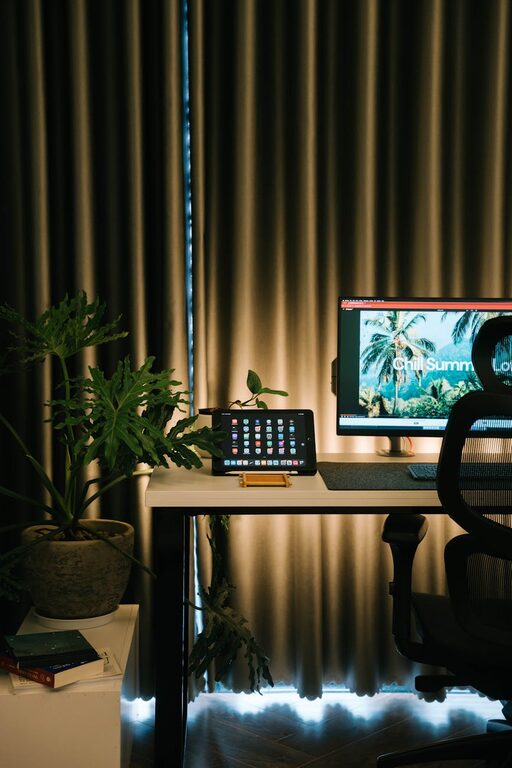
Creating a relaxing home office environment is essential for maintaining focus, reducing stress, and improving overall productivity. Whether you’re working remotely, freelancing, or managing your own business, a calm and comfortable workspace can make a big difference in your daily routine. Here are some practical tips to help you design a peaceful home office that supports your work and well-being.
Choose the Right Location
Selecting the right spot for your home office is the first step to creating a relaxing environment.
– Quiet Area: Pick a place that is free from excessive noise and distractions, such as away from TV rooms or busy kitchens.
– Natural Light: Whenever possible, position your desk near a window to take advantage of natural light, which can improve mood and reduce eye strain.
– Separate Space: If space allows, try to dedicate a room or a corner specifically for work. This helps create a boundary between your work life and home life.
Invest in Comfortable Furniture
Comfort is key to maintaining focus and preventing physical discomfort during long work hours.
– Ergonomic Chair: Choose a chair with good lumbar support, adjustable height, and comfortable padding.
– Desk Height: A desk at the right height helps keep your wrists and arms in a healthy position, reducing strain.
– Footrest: If your feet don’t rest comfortably on the ground, consider a footrest to improve posture.
– Adjustable Setup: Consider a sit-stand desk if you want to vary your posture throughout the day.
Optimize Lighting
Lighting can greatly impact your productivity and comfort.
– Natural Light: As mentioned, natural light is ideal. Use sheer curtains or blinds to control glare without darkening the room.
– Task Lighting: Supplement with a good desk lamp that provides focused lighting for reading or detailed work.
– Ambient Lighting: Soft ambient lighting around the room can reduce eye strain and create a cozy atmosphere.
Declutter and Organize
A cluttered workspace can cause stress and reduce efficiency.
– Minimal Essentials: Keep only the items you need for daily work on your desk.
– Storage Solutions: Use shelves, drawers, or organizers to store supplies neatly.
– Regular Cleaning: Dedicate a few minutes each day to tidy up your workspace.
– Cable Management: Use clips or cable boxes to keep cords neat and out of sight.
Personalize Your Space
Adding personal touches can make your office feel welcoming and relaxing.
– Plants: Indoor plants add color, improve air quality, and create a calming atmosphere.
– Artwork: Hang inspiring pictures or art that makes you feel happy or motivated.
– Aroma: Consider using a subtle diffuser with essential oils like lavender or eucalyptus for a soothing scent.
– Comfort Items: A cozy throw blanket, cushions, or a favorite mug can make your workspace more inviting.
Maintain Good Air Quality and Temperature
Comfortable air and temperature contribute to better focus and health.
– Ventilation: Open windows when possible to get fresh air circulating.
– Air Purifiers: If needed, use an air purifier to remove dust and allergens.
– Temperature Control: Keep your room at a comfortable temperature, ideally between 68-72°F (20-22°C).
Limit Distractions
Reducing interruptions helps maintain a calm work environment.
– Tech Settings: Use “Do Not Disturb” mode on your devices during work hours.
– Noise Control: Use noise-canceling headphones or play gentle background music if it helps concentration.
– Clear Boundaries: Communicate your work schedule clearly to family members or housemates.
Incorporate Relaxation Techniques
Take regular breaks and include relaxation practices to refresh your mind.
– Stretching: Simple stretches or desk yoga can relieve tension.
– Short Walks: Step outside for a few minutes to get sunlight and clear your mind.
– Mindfulness: Practice deep breathing or mindfulness exercises during breaks to reduce stress.
Use Technology Wisely
Utilize tools and applications to enhance your work without increasing stress.
– Organizational Apps: Use calendars, to-do lists, or project management apps to stay organized.
– Blue Light Filters: Enable blue light filters on screens to reduce eye strain in the evening.
– Ergonomic Accessories: Consider using an external keyboard and mouse for better ergonomics.
—
Creating a relaxing home office environment requires intentional choices, but the benefits to your wellbeing and work quality are well worth it. By focusing on comfort, organization, and personal touches, you can make your home office a space where you enjoy spending time and doing your best work.