

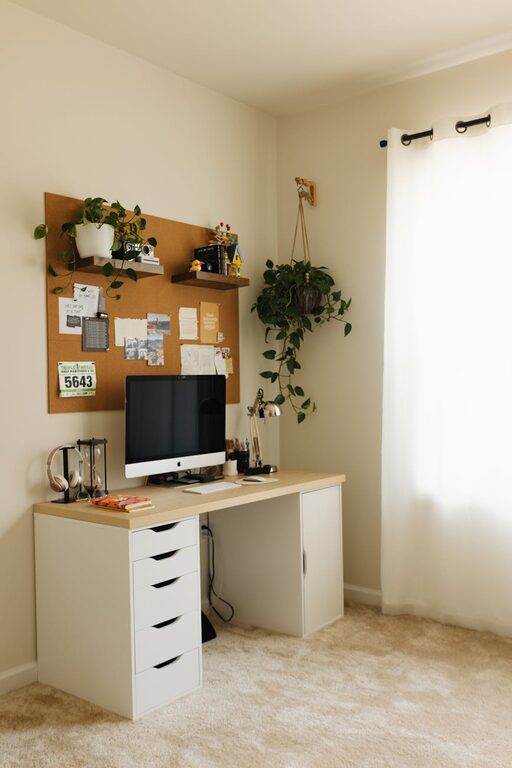
Creating a home workspace that is both cozy and functional can significantly improve your comfort and productivity—whether you work remotely, manage a household business, or simply need a quiet spot for projects. In this post, we’ll explore practical tips to help you design a workspace that feels inviting and supports your daily tasks effectively.
Why a Cozy and Functional Workspace Matters
Your workspace impacts how well you focus and how you feel throughout the day. A space that is too cluttered, uncomfortable, or uninspiring can lead to distraction and fatigue. Conversely, a cozy and well-organized area encourages concentration, creativity, and a pleasant mindset.
Step 1: Choose the Right Location
Finding the ideal spot in your home is the first step. Consider these factors:
– Natural light: A space near a window helps reduce eye strain and improves mood.
– Quiet environment: Try to choose a corner or room with minimal noise to avoid distractions.
– Space availability: Ensure your chosen area has enough room for your desk, chair, and any necessary equipment.
If space is limited, look for small nooks, under-used corners, or even convertible areas like a guest bedroom.
Step 2: Invest in Comfortable Furniture
Comfort supports long hours of work without discomfort or pain.
– Ergonomic chair: An adjustable chair with good lumbar support helps maintain proper posture.
– Appropriate desk height: Your desk should allow you to keep your arms at a 90-degree angle when typing.
– Footrest (optional): This can help reduce leg fatigue if your feet don’t comfortably reach the floor.
Remember, comfort isn’t just about furniture, but also how you arrange it.
Step 3: Optimize Lighting
Lighting plays a major role in reducing eye strain and setting a cozy atmosphere.
– Use a combination of natural light and task lighting.
– Invest in an adjustable desk lamp with warm bulbs for focused illumination.
– Avoid glare on screens by positioning your desk and light sources thoughtfully.
Step 4: Organize with Purpose
Clutter makes a space feel chaotic and drains mental energy. Here’s how to keep things orderly:
– Use storage solutions such as shelves, drawers, or filing cabinets.
– Keep frequently used items within reach to avoid unnecessary movement.
– Implement a daily tidying routine to maintain cleanliness and organization.
Labeling storage boxes or drawers can also help you quickly find what you need.
Step 5: Personalize Your Space
Adding personal touches makes your workspace welcoming and motivating.
– Display photos, plants, or artwork that make you happy and inspired.
– Choose a color scheme that reflects calmness or energy depending on your work style.
– Incorporate cozy textiles like a soft rug or a throw blanket for added warmth.
Avoid over-decorating, which can create distractions.
Step 6: Minimize Distractions
Create boundaries that help you stay focused:
– Use noise-canceling headphones or play background music designed for concentration.
– Keep your phone on silent or in another room while working.
– Set clear work hours, especially if you share your home with others.
Step 7: Use Technology Wisely
Technology can enhance your workspace if chosen and positioned thoughtfully:
– Invest in a reliable computer and peripherals like an ergonomic keyboard and mouse.
– Use cable organizers to keep cords tidy.
– Consider a second monitor if your work involves multitasking or large documents.
Step 8: Maintain Good Air Quality and Temperature
A comfortable environment supports productivity.
– Keep your workspace ventilated with fresh air.
– Use an air purifier if needed, especially in spaces with little circulation.
– Adjust temperature settings or use a fan or heater to stay comfortable year-round.
Step 9: Incorporate Break Spaces
If possible, create a small area nearby for breaks:
– A cozy chair or cushions encourage micro-breaks that reduce fatigue.
– Having a separate spot to step away from your desk helps mental refreshment.
Final Thoughts
Designing a home workspace that is both cozy and functional doesn’t have to be complicated. By thoughtfully selecting your location, investing in comfort, organizing effectively, and adding personal touches, you can create an environment that supports your best work. Remember, the key is balance—a space that feels inviting yet encourages productivity will make your daily tasks more enjoyable and efficient.
We hope these tips inspire you to craft a workspace tailored to your needs. Happy decorating and working from home!