

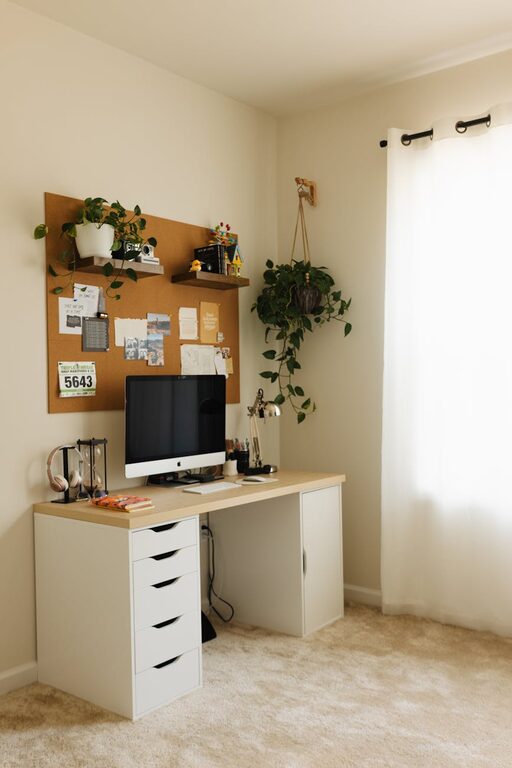
Creating a home office that feels both cozy and productive is key to enjoying your work-from-home experience. A well-designed workspace can improve focus, reduce stress, and boost creativity, making your workday more enjoyable and efficient. Here are practical tips to help you transform your home office into a comfortable and effective work environment.
Choose the Right Location
Selecting a suitable spot for your home office is the first step. Ideally, pick a quiet area with minimal distractions. If possible, choose a room with natural light, which helps improve mood and energy levels.
Consider These Factors:
– Privacy: A separate room or a quiet corner away from household traffic.
– Lighting: Near windows for daylight; plan for quality artificial light to avoid eye strain.
– Space: Enough room for your desk, chair, and storage without feeling cramped.
Invest in Comfortable and Functional Furniture
Comfort is essential when setting up a home office, especially if you spend long hours working. A good chair and desk setup can prevent back pain and fatigue.
– Ergonomic Chair: Look for adjustable features to support your posture.
– Desk Size: Choose one spacious enough for your computer, paperwork, and other essentials.
– Storage Solutions: Use shelves, drawers, or organizers to keep clutter off your workspace.
Optimize Your Lighting
Proper lighting reduces eye strain and creates a pleasant environment. Balance natural and artificial lighting.
– Natural Light: Position your desk near a window but avoid harsh glare on screens.
– Task Lighting: A desk lamp with adjustable brightness helps during late hours.
– Ambient Lighting: Soft overhead lighting creates a warm, inviting atmosphere.
Personalize Your Space
Adding personal touches can make your office feel cozy and inspiring without being distracting.
– Plants: Indoor plants bring life and improve air quality.
– Art or Photos: Use wall art or pictures that motivate you.
– Colors: Choose calming or uplifting colors that match your taste.
Keep Your Workspace Organized
A tidy area helps you stay focused and reduces stress.
– Declutter Regularly: Remove unnecessary items from your desk daily.
– Use Organizers: Trays, file holders, and cable management tools keep things in place.
– Digital Organization: Keep your computer desktop and files well-organized too.
Establish Boundaries and Routine
Creating work-life boundaries prevents burnout and keeps you productive.
– Set Work Hours: Define when you start and finish work.
– Breaks: Take short breaks to stretch and refresh.
– Separate Space: Use your office only for work to mentally separate home and job.
Incorporate Technology Wisely
Equip your home office with technology that supports productivity.
– Reliable Internet: Ensure strong Wi-Fi for smooth communication.
– Quality Equipment: Invest in a good monitor, keyboard, and headphones.
– Apps and Tools: Use productivity apps for task management and communication.
Control Noise and Distractions
Reducing noise helps maintain focus during work hours.
– Noise-Canceling Headphones: Great for blocking out background sounds.
– Soundproofing: Use rugs, curtains, or foam panels to muffle noise.
– Set Expectations: Communicate your work schedule to family or roommates.
Add Comfort Elements
Comfort boosts your well-being and productivity.
– Temperature Control: Keep the room at a comfortable temperature.
– Cozy Textiles: A soft rug, cushions, or a throw blanket add warmth.
– Refreshments: Keep a water bottle and some snacks nearby.
Final Thoughts
Designing a home office that balances coziness and productivity is all about personal preference and practical choices. By focusing on location, furniture, lighting, and organization, you can create a workspace you look forward to using every day. Remember, small changes can make a big difference in how you feel and work at home.